3D Design & Additive Mfg.
Iterative design for FDM printing, slicing optimization, and LiDAR photogrammetry.
The Pivot
My initial idea was a phone stand. However, after modeling in Fusion 360, the print time was estimated at 11 hours. Even after optimization, I could only get it down to 4 hours—too long for the assignment constraints.
Solution: I pivoted to a laptop cooling riser. It solves a real-world problem (thermal throttling) with a simpler geometry, allowing for faster fabrication while retaining utility.
Slicing & Optimization
.png)
Initial Import
Importing the STL into PrusaSlicer. Initial estimates were high due to poor orientation.
.png)
Orientation Optimization
Rotated the part 90°. This reduced support material need significantly, shaving off 20 minutes.
.png)
Removing Supports
Identified that bottom supports were structural overkill. Removal saved another 5 minutes.
.png)
Scale & Infill
Scaled down to 0.5x and reduced infill to 10% (sufficient for compressive load). Total time saved: 2h 36m.
Fabrication Results
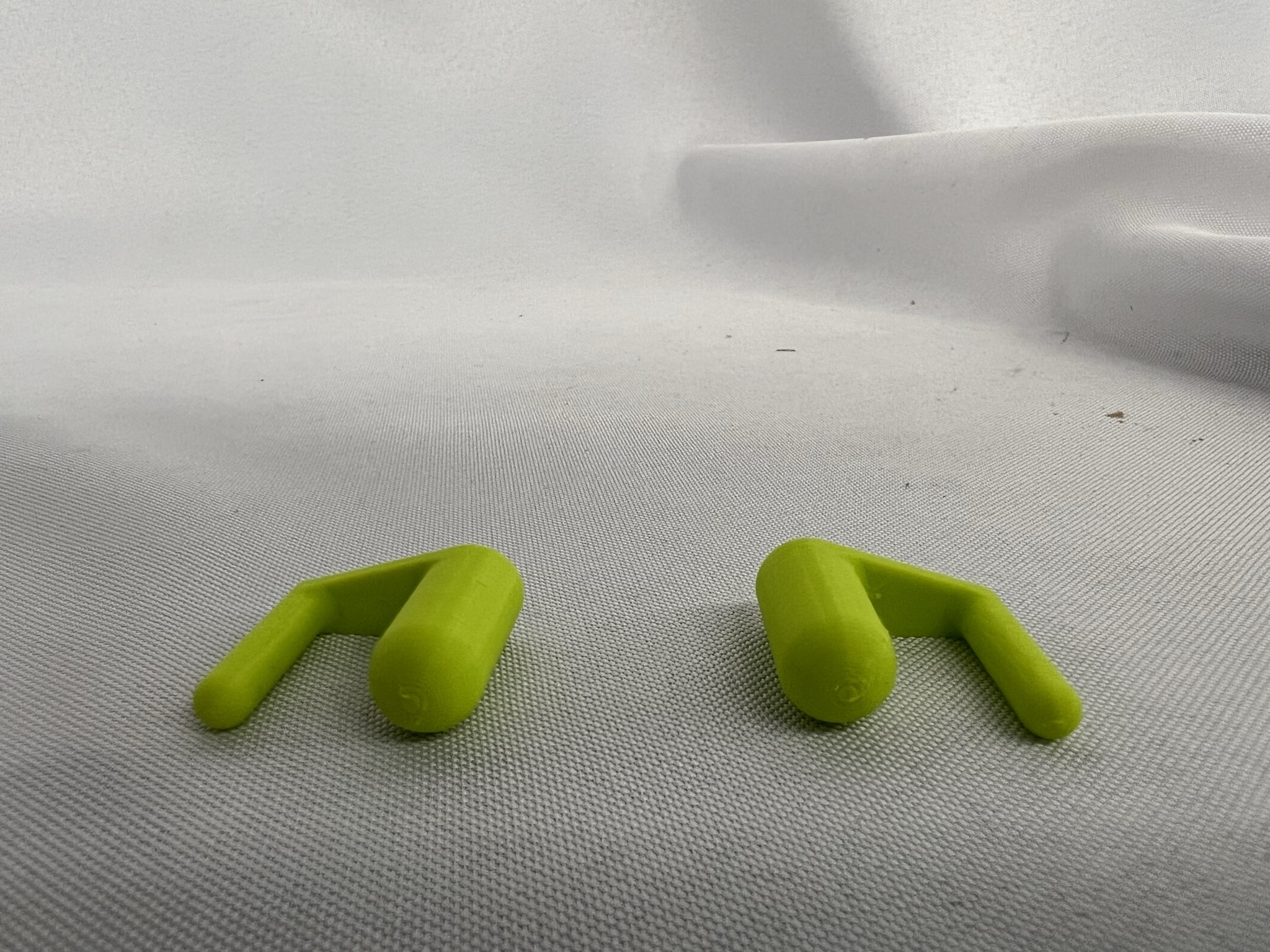
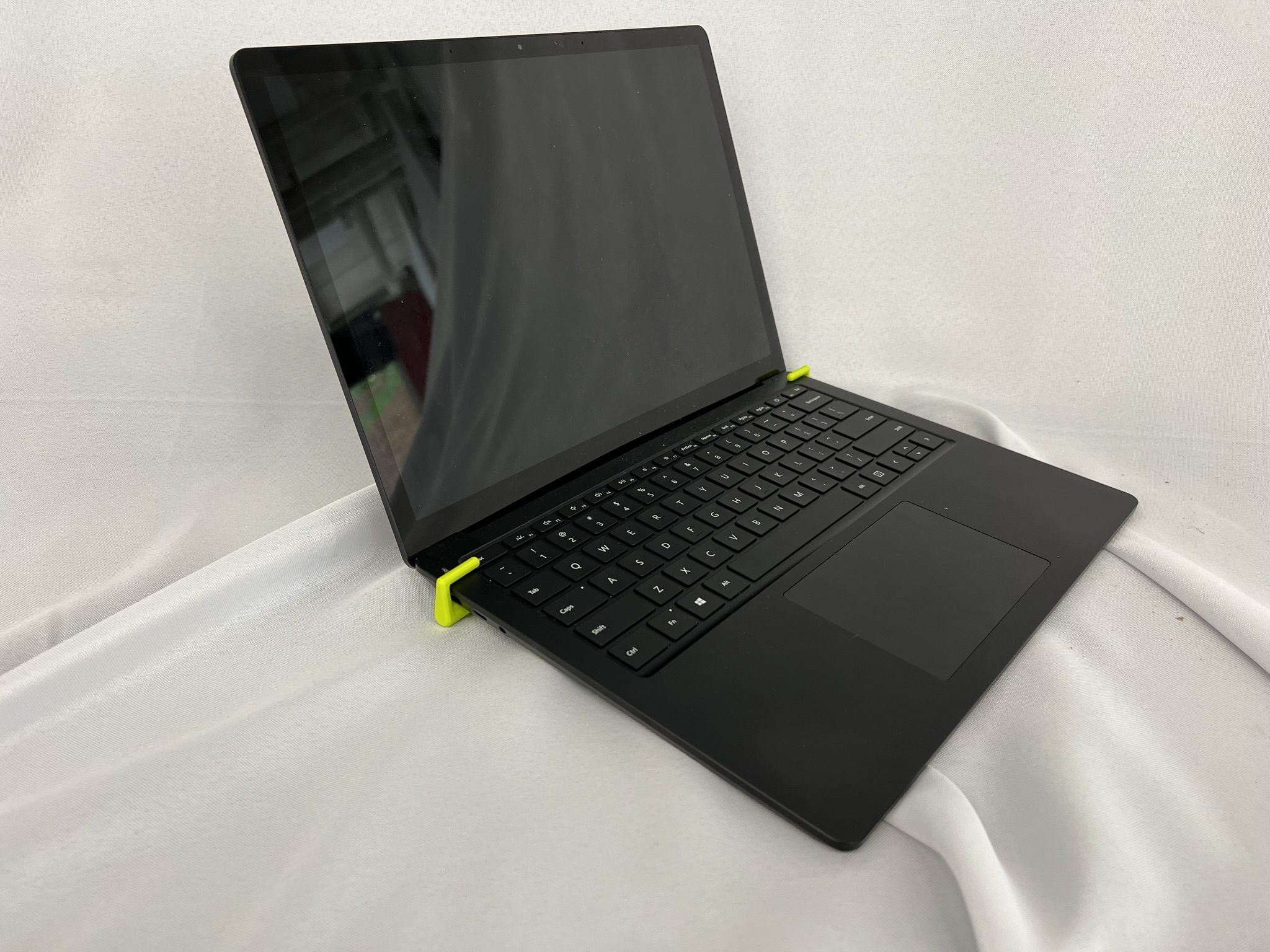
Photogrammetry & LiDAR
Scanning real-world geometry using PolyCam.
I used the LiDAR sensor on an iPhone to perform 3D scans of my classmates. LiDAR measures light return time to map the environment. Note: Transparent or reflective surfaces (glass/mirrors) often fail as light scatters unpredictably.